
Zero-Waste Dining: How Creative Cafés Are Leading the Sustainability Movement
In 2026, sustainability in hospitality isn’t just a selling point; it’s a standard. But a growing number of cafés are moving beyond reusable cups and recycling bins, embracing zero-waste dining as a core part of their identity.
For these innovators, sustainability isn’t a restriction. It’s a creative framework. It challenges chefs, designers, and owners to rethink every detail of the dining experience, from sourcing ingredients to designing interiors, while still delivering unforgettable moments for guests.

Rethinking the Supply Chain
Zero-waste dining starts long before the first plate leaves the kitchen. Leading cafés are:
Partnering with local farmers and artisans to source seasonal produce with minimal or no packaging.
Choosing closed-loop suppliers who collect and reuse delivery crates, bottles, and containers.
Buying in bulk to reduce single-use plastics and transport emissions.
Selecting regenerative farms that actively restore soil health and biodiversity.
This local-first approach doesn’t just reduce waste—it strengthens community ties and ensures dishes are as fresh and flavourful as possible.
Cooking With the Whole Ingredient
In a zero-waste kitchen, nothing is overlooked. Chefs see every stem, peel, and seed as an opportunity.
Vegetable scraps become rich stocks and broths.
Fruit peels and seeds are transformed into syrups, infusions, and garnishes.
Coffee grounds are given a second life as compost for local gardens, or even in body scrubs for retail sale.
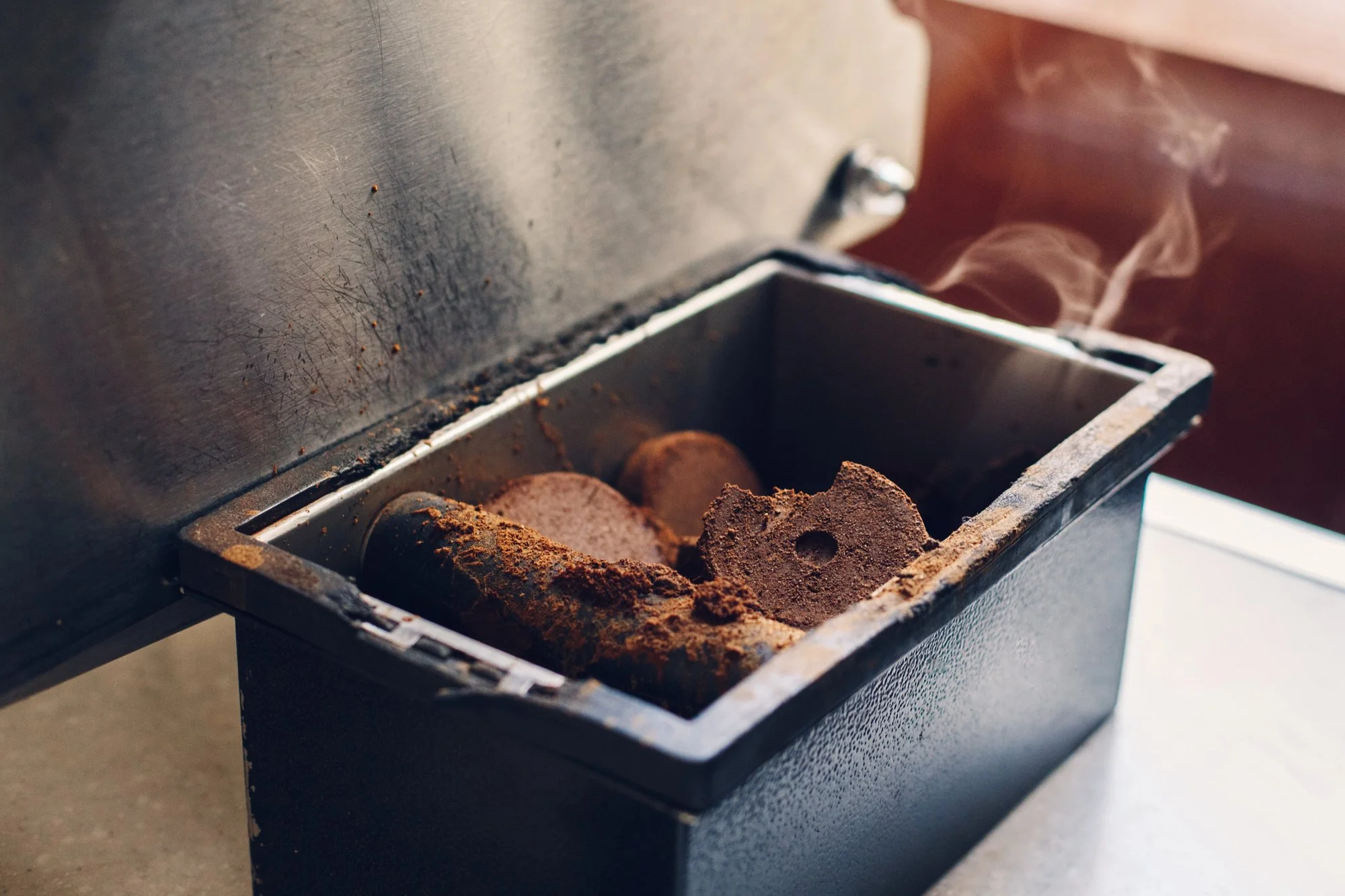
These practices push culinary creativity, often leading to signature menu items that customers can’t find anywhere else.
Design Choices That Tell a Story
Sustainability extends far beyond the plate. Café interiors and operations also play a key role.
Reclaimed wood for tables and counters adds both warmth and history.
Upcycled furniture reimagined to suit a modern aesthetic.
Energy-efficient lighting that reduces consumption while creating a mood.
Digital menus or boards that cut down on paper waste.
Every design choice becomes part of the café’s sustainability narrative, reinforcing its values in subtle but powerful ways.
Inspiring Guests to Join the Movement
The most effective zero-waste cafés invite customers to be active participants:
Educational storytelling on menus, highlighting sustainable sourcing.
Workshops on fermentation, composting, or low-waste cooking techniques.
Incentives like discounts for bringing reusable cups, jars, or lunchboxes.
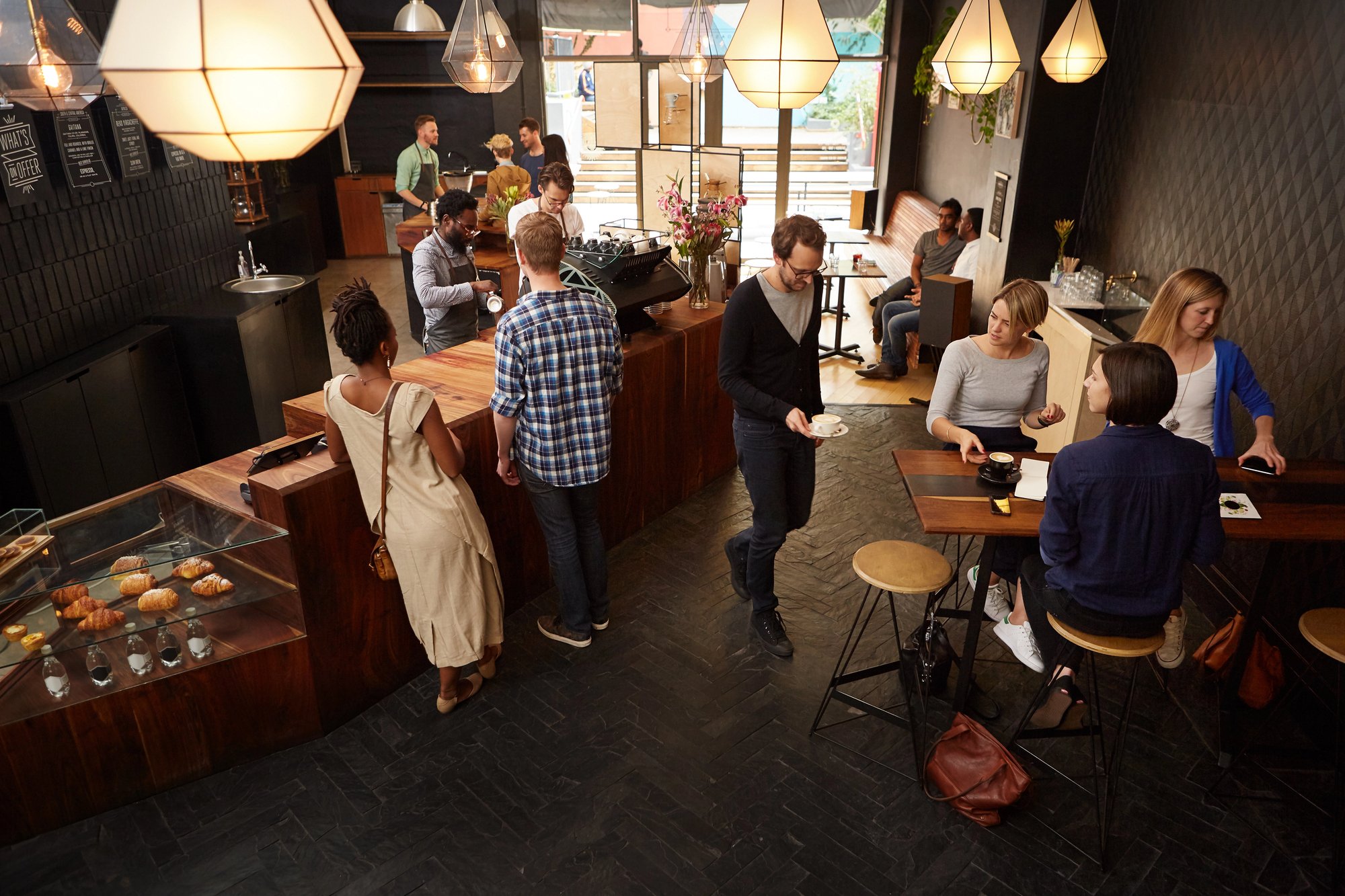
This engagement transforms customers from passive diners into co-creators of the sustainability culture.
The Bigger Picture
Zero-waste dining is about more than waste reduction. It’s about reimagining the entire hospitality model. By designing operations with circular thinking, cafés help shift industry norms and prove that sustainability can enhance, rather than limit, the guest experience.
The Takeaway
The most forward-thinking cafés in 2026 show that zero-waste dining can be innovative, beautiful, and commercially viable.
It’s not about doing less. It’s about doing better, designing smarter, and inspiring a cultural shift where great hospitality and environmental responsibility go hand in hand.
